43 food labels with additives
7 Additives in our processed food that are banned outside the U.S. EWG includes the entire group of FD&C colors on its Dirty Dozen list of food additives to avoid. Regulations: Yellow 5, Yellow 6, and Red 40 are authorized for use in the European Union member states, but companies must include a warning on food labels that reads "may have an adverse effect on activity and attention in children." Food Label Misconceptions - Food Ingredient Facts The truth of the matter is that food labels, including those with long lists of scientific names, are clean and safe themselves; and to get rid of these naturally-occurring, supportive ingredients and additives only serves to reduce taste, convenience, shelf-life, and overall food efficiency. To better understand food labels, ingredient lists ...
Additive labelling - Healthy Food Guide Food additives normally come under a 'class' which is a category that indicates what the food additive does. Examples of classes include preservatives, sweeteners, colours and flavour enhancers. Food additives are also assigned international code numbers - these are the numbers that we see on food labels. These numbers can be used in ...

Food labels with additives
Food Additives: Definition, Uses, Examples, Types, Preservaties The different types of food additives used in food are: Flavors and sweeteners. Antioxidants. Preservatives. Food colors (dyes) Fat emulsifiers and stabilizing agent. Flour improvers antistaling agents and bleaches. Nutritional supplements such as vitamins, minerals, and amino acids. Food Additive Status List | FDA 2021-08-26 · Indirect food additives, 21 CFR Parts 175, 176, 177, & Part 178 (except that sanitizing agents for food processing equipment as listed in 178.1010 are included in the Food Additives list.) Be ... Food Labels & Additives - Healthy Alternatives Food Labels & Additives Linda 2018-04-04T21:44:38-07:00. Beware of "healthy-sounding" catch words on food labels! Beware that certain claims highlighted on food labels don't necessarily indicate the product is healthy for you. Unless you read the "Nurtrition Facts ...
Food labels with additives. Food Label Lies: Your Food May Not Be What You Think It Is Manufacturers continuously monitor and review these. Cheese importer Schuman says it's also an issue of transparency. "There's a place for $2.50-per-pound grated cheese," Schuman says ... Food additives - Food label requirements - Canadian Food Inspection Agency A food additive (definition) is any substance that, when added to a food, becomes part of that food or affects its characteristics. any nutritive material that is used, recognized or commonly sold as an article of food or an ingredient of food. vitamins, mineral nutrients and amino acids, except those listed in the lists of permitted food ... Understanding Food Labels - Food Ingredient Facts Understanding food labels, including what ingredients and additives are present foods, can seem like a daunting task. Fortunately, the U.S. Food and Drug Administration (FDA) serves as the primary regulatory agency responsible for ensuring the quality and safety of foods and requires that ingredients intentionally added to foods be listed on food labels. Food additives - WHO | World Health Organization Food additives can be derived from plants, animals, or minerals, or they can be synthetic. They are added intentionally to food to perform certain technological purposes which consumers often take for granted. There are several thousand food additives used, all of which are designed to do a specific job in making food safer or more appealing. WHO, together with FAO, groups food additives into ...
Food additive labelling Food additives in most packaged food must be listed in the statement of ingredients on the label. Most food additives must be listed by their class name followed by the name of the food additive or the food additive number, for example, Colour (Caramel I) or Colour (150a). Enzymes and most flavourings (or flavour) do not need to be named or ... Food labelling requirements for declaring Food Additives Most food additives have little or no nutritional value. If any additives are added to the food, it shall be mentioned on the label in accordance to the Food Safety and Standards (packaging and Labelling) Regulations 2011, notified by FSSAI. When the food additives are used in the food , class titles of the food additives are mentioned together ... Overview of Food Ingredients, Additives & Colors | FDA Color additives are used in foods for many reasons: 1) to offset color loss due to exposure to light, air, temperature extremes, moisture and storage conditions; 2) to correct natural variations ... Food labels - Better Health Channel Food additives are included in the ingredient list according to their class and purpose (for example anti-caking agent). In most cases, a chemical name or food additive number will be listed after the class. Enzymes and most flavourings only need to list their class name. ... Food labels are important for people with food allergies or ...
Food labels: What are additives and E-numbers? - AngeNoy.com E600 - 699 | Flavour enhancers. Improve flavours. Example: E621 - Monosodium glutamate, or MSG, used in soups and sauces. E900 - 999 | Miscellaneous. This category includes additives such as sweeteners and glazing agents that make foods look more appealing. Example: E954 - Saccharin, used as an artificial sweetener. Food Additive Status List | FDA Color additives, 21 CFR Parts 70, 71, 73, 74, 80 & 82. Go to the Color Additives Status List. Please send corrections or additions to the list to Harold Woodall, FDA/CFSAN Office of Food Additive ... 12 Common Food Additives — Should You Avoid Them? Eating trans fats has been associated with many negative effects on health, including inflammation, heart disease and diabetes. 10. Xanthan Gum. Xanthan gum is a common additive that's used to ... Food Additives and Compounds | Nutrition.gov Consumer Info About Additives & Ingredients. HHS, Food and Drug Administration, Center for Food Safety and Applied Nutrition. Find information from the Food and Drug Administration ( FDA) on benzene, color additives, fat substitutes, food irradiation, preservatives, sweeteners, sulfites, and more.
Should Fructose Content Be Listed on Food Labels? | Nutrition Diva
Food Additives Examples, Types & List | What are Food Additives ... For example, the glue used to put labels on food containers must pass the FDA process. Lesson Summary. In review, food additives are any item that affects a food product, either directly or ...
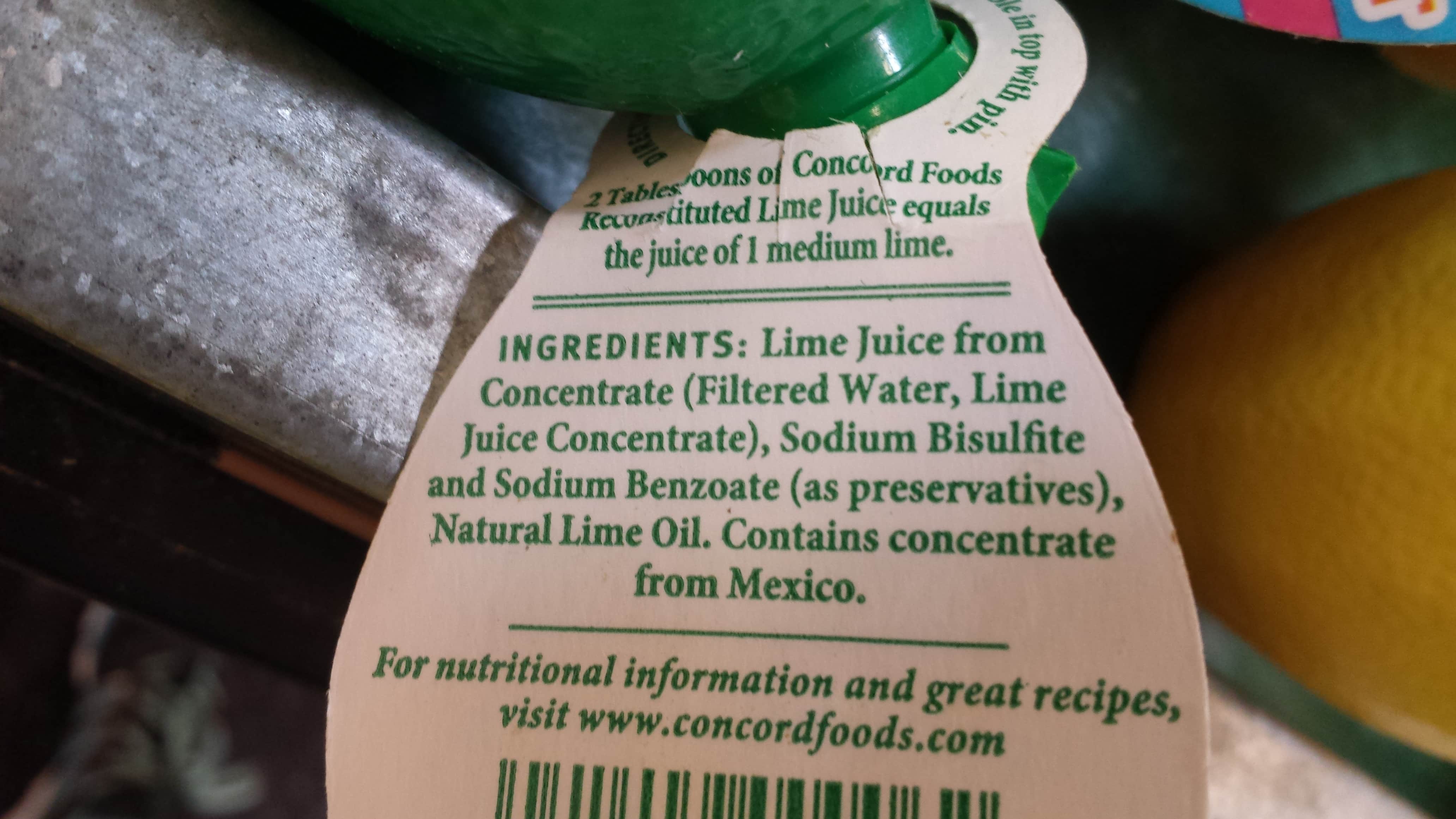
Watch Your Labels with Lime Juice - My Whole Food Life
Labeling Foods Containing Color Additives - LabelCalc Public Perception of Color Additives . The American public is reading food labels now more than ever, and color additives, in particular, have come under a lot of scrutiny, thanks to studies and anecdotes linking certain color additives to hyperactivity in children and allergic reactions. The FDA considers such information inconclusive and says ...

Food Color Additives and ADHD: Is There a Link?
Read Your Labels: The "Top Ten" Additives to Avoid: A Recap On that date, we would like you to help spread the "411" on these additives by taking a photo of food and beverage products containing these undesirable ingredients and sharing your photos on Instagram by using the hashtag #ReadYourLabels. The "Read Your Labels" top ten additives to avoid in review: #1. High fructose corn syrup

Daydots Food Rotation Labels and Related Daydots Supplies | Ecolab
Food Additives - Canada.ca The Food and Drug Regulations (the Regulations) require that food additives must meet certain standards for identity and purity in order for the additive to be considered food-grade. These standards, or specifications, were updated in the Regulations on December 14, 2016, in part to replace specifications that were set out in the Regulations for certain food colours with more …

Infographic - What's on a Food Label? - Pharma Mirror Magazine
PDF Food Additive Code Numbers (numerical order) Food Additive Code Numbers (numerical order) 1 Prescribed Name Code No. Curcumin or turmeric 100 Riboflavin 101 Riboflavin 5'-phosphate sodium 101 Tartrazine 102 Alkanet or Alkannin 103 Quinoline yellow 104 Sunset yellow FCF 110 Cochineal or carmines or carminic acid 120 Azorubine or Carmoisine 122 Amaranth 123 Ponceau 4R 124

Canned Food Storage: Detecting PVC Lining Migrants by UHPLC-HRMS
Additives in food products - EU labelling rules - Your Europe Food additives. Food additives sold by themselves or as ingredients in food products must follow strict EU rules. Additives come in a number of classes, including: sweeteners. preservatives. antioxidants. colours. In an ingredient list, most food additives and food enzymes must be preceded by the name of the category to which they belong ...
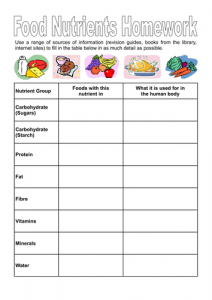
18 Informative Food Label Worksheets | Kitty Baby Love
Food additives | Food Standards Agency The additives that you are most likely to come across on food labels are: antioxidants - these stop food becoming rancid or changing colour by reducing the chance of fats combining with oxygen. colours. emulsifiers, stabilisers, gelling agents and thickeners - these help to mix or thicken ingredients.

The Shocking Truth About “No MSG Added” Labels Big Food Is Hiding From You | AltHealthWorks.com
Evolving trends of labels in animal feed additives - New ... 2022-05-06 · Aditi Basu, Chief Marketing Officer at Future Market Insights, shares on the evolving trends of labels in animal feed additives More than 85 percent of people around the world eat meat. Partly due to our increasingly fast-paced lifestyles, dependency on packaged meat foods has escalated. To create a ...
Post a Comment for "43 food labels with additives"