38 how should national brands think about private labels
What is Private Labeling? [Definition, Pros, Cons & More] Since the private label products bear your branding, you can build loyalty. Over time, you can establish brand equity. That equity is valuable should you decide to sell your business. Higher Profit Margin Retailers control the entire supply chain, so there's total control over product pricing. Why Do Leading Brand Manufacturers Supply Private Labels? - ResearchGate Purpose - Private labels are gaining increasing importance in many industries. While there are obvious benefits for retailers to embrace private labels, the standard explanations for manufacturers'...
The Value of Private Label - WholeFoods Magazine Private label is ideally suited to the paradox of maintaining expected quality at a low cost. "Private label can be very effective," Licata agrees, "while retaining or even increasing your profit margin. In our case, our prices average 15-25% below national brands—and that is before the many volume discounts we offer.

How should national brands think about private labels
39 Best Selling Private Label Products (2022) - Ultimate Guide Jan 01, 2022 · In general, private label products work great for brands that already have an audience that trusts them. 3. Poor consumer perception. Private label products commonly have a reputation for being cheap or low quality. However, that perception is changing as consumers around the world believe the quality of private label products is improving. Workplace Safety Signs [OSHA + ANSI Compliant] | Creative ... Safety signs are a big part of hazardous chemical identification. In fact, GHS labels, HMIS, or NFPA diamonds are an excellent example regarding chemical safety. Providing your employees with the quantity of information on safety signs and labels is imperative for performing daily tasks. Customized Safety Signs with Symbols available How Business Cycles Contribute to Private-Label Success: Evidence from ... Consumers switch more extensively to store brands during bad economic times than they switch back to national brands in a subsequent recovery. In addition, the switch to private-label brands is faster than the opposite movement to national brands after the recession ends.
How should national brands think about private labels. Five ways national brands can compete with private-label National brands can influence consumers through relevant marketing, packaging, clear brand positioning, etc. to pick their product versus a private-label option. Provide extra value to your retail partner. Make it hard for the retailer to live without you. The number of suppliers and brands competing for shelf space is massive. Brands Versus Private Labels: Fighting to Win - Harvard Business Review In fact, a 1994 DDB Needham survey indicates that 60 % of consumers still agree that they prefer the comfort, security, and value of a national brand over a private label. Although this percentage... Should national brand manufacturers produce private labels? Another implication derived from our model is that national brand manufacturers should be more enthusiastic about producing private labels when independent manufacturers may produce a good whose perceived quality is closer to that of the national brand. Originality/value The potential for powerhouse Private Brands: an updated view Consumers could very well choose to switch back to national brands after the pandemic, especially because many retailers' private-brand strategies and offerings aren't explicitly designed to capture long-term customer loyalty. Retailers can change that. And they should do so—fast. Private brands as a way to win customer loyalty
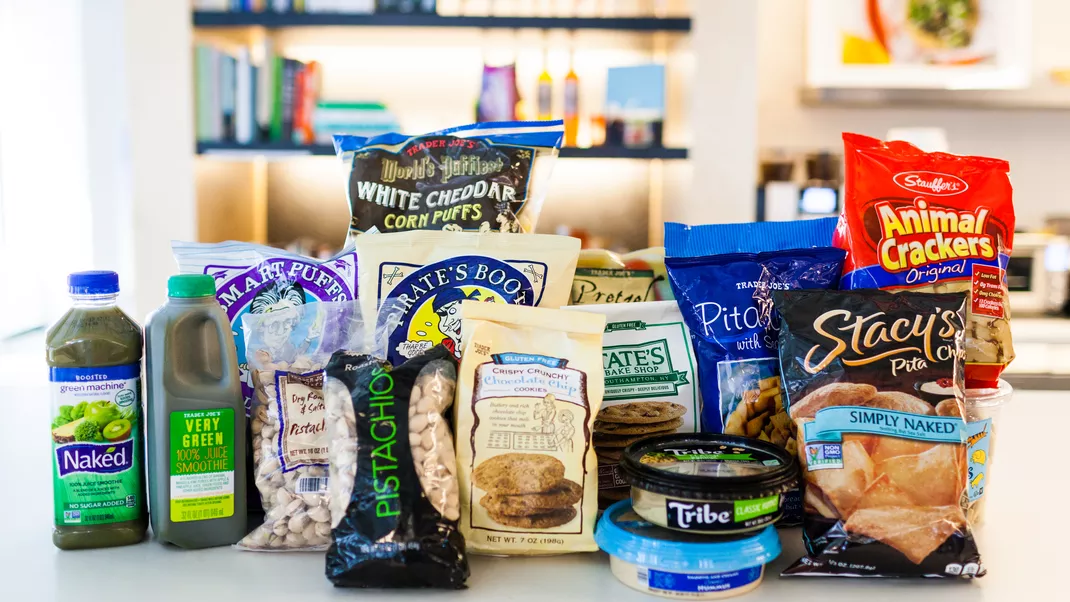
How National Brands Can Compete with Private Labels - Observa According to The NPD Group, the most popular private-label items are "ingredients," such as flour or butter. Eggs, refrigerated meat, pre-made salads, snacks, and creamer also top the list. The general consensus of many studies is that dairy products, canned items, and snacks are the leading industries for private-label goods to succeed in. Private Label Pricing Analysis: Private Label vs National Brands - CMKG.ORG National Brands (red) NB#1 is high perceived value and high price - recall that this brand had little interaction with either private label brand. This is because their value is so much higher, and consumers are willing to pay the higher price for this value. NB#2 is much higher in price, but the perceived value isn't all that far from PL#1. The fringe or national brand manufacturer? An analysis of private label ... It is also shown that the NB quality plays a positive role on NBMS. As the NB quality becomes higher, the retailer is more likely to procure the PL from the NB manufacturer instead of the fringe manufacturer. In addition, both channel members can be better off and more consumer surplus is provided by expanding the market under NBMS. Why National Brands Should Worry: Private Label Powers Up Target ... Why National Brands Should Worry: Private Label Powers Up Target, Trader Joe's - 08/30/2018 ... Sargent: People often think of private labels as doing well when the economy is struggling and ...
How Should National Brands Think about Private Labels How Should National Brands Think about Private Labels S. J. Hoch Published 1996 Business Sloan Management Review Traditionally, private labels have been seen as inferior quality alternatives at value prices. Now most national brand manufacturers usually think of private labels as they would any other national brand ? a tough source of competition. Brand - Wikipedia A brand is a name, term, design, symbol or any other feature that distinguishes one seller's good or service from those of other sellers. Brands are used in business, marketing, and advertising for recognition and, importantly, to create and store value as brand equity for the object identified, to the benefit of the brand's customers, its owners and shareholders. How Private Labels Can Own 2022 - Winsight Grocery Business "In 2020, private brand sales grew 12.1% versus the prior year, compared to 10.2% for national brands," FMI noted in the report. "However, in 2021, a period in which sales comparisons were up against the sharp gains of 2020, private brands were off 4.6% versus the year-ago period, while national brands achieved slight growth of 0.2%." The battle for brands in a world of private labels Many consumers sense little difference between the quality of national brands and their private label counterparts as retailers focus on store brands and consumer product companies cede connections to retailers and customers. Yet there are strategies available to national brands that may level the playing field. Viewing offline content
20 Trending Private Label Products (That Actually Sell ...
Going Private: How to Succeed in Store-Brand Sector Aug 12, 2022 · Dollar sales have certainly been up for private brands — but this is due in large part to higher prices. Additionally, private label saw a huge boost during the initial stage of the COVID-19 pandemic, when so many national brands were out of stock, but that growth has slowed since supply chain issues have eased, at least in some areas.
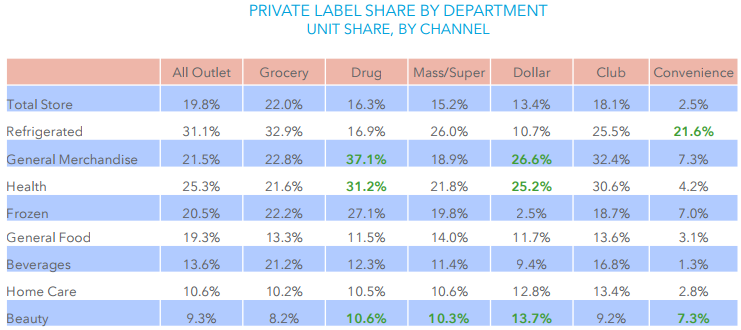
How National Brands Can Compete with Private Labels - Observa
The evolution of private labels at retail - Retail Customer Experience The evolution of private labels at retail. Half of consumers now say they seek out private brands over traditional ones. The continued importance of so-called Private Label products to leading retailers is undeniable. Based on the most recent reports, these products are continuing to generate more growth than traditional national brands among ...
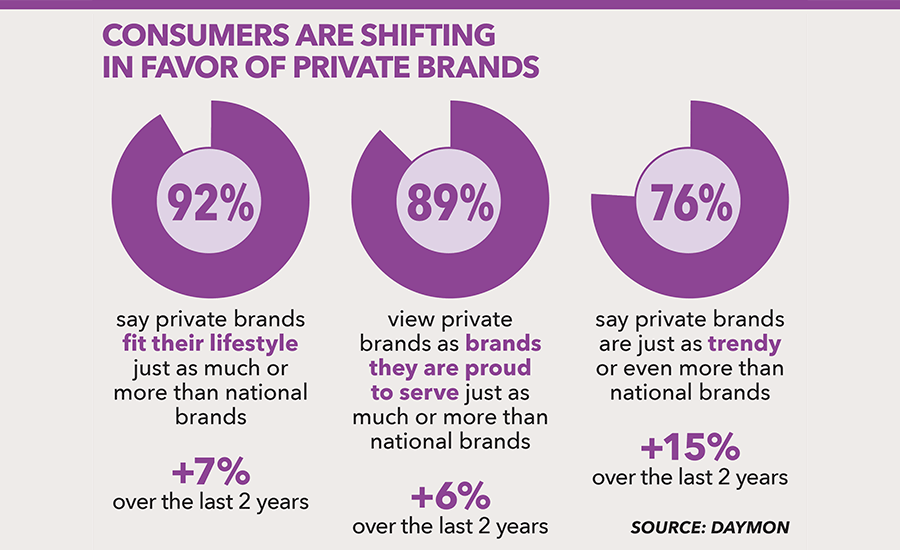
The Retail Reset: Private Label Brands | Packaging Strategies
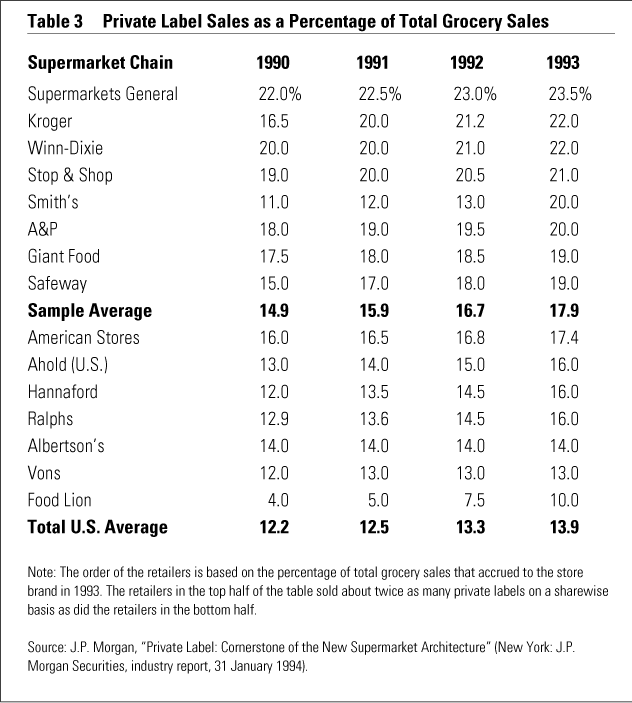
How Should National Brands Think about Private Labels? in this paper, i focus on the food retailing industry, where private labels are the dominant "brand" in about 20 percent of the more than 350 product categories that supermarkets carry. 2 in the fresh produce and meat departments, which account for about 25 percent to 30 percent of total store sales, virtually all products are sold with the …
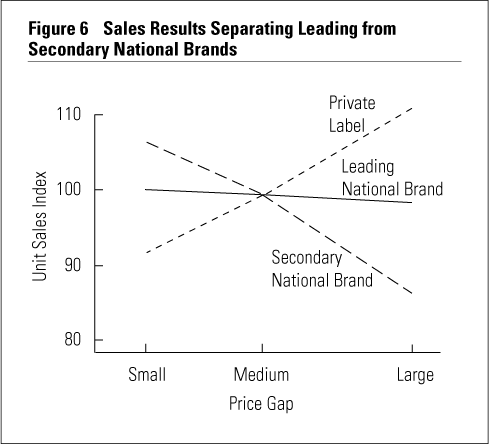
How Should National Brands Think about Private Labels?
What Brands Should Know as FTC Prepares to Update Green ... - WSJ Aug 09, 2022 · The FTC hasn’t said where it intends to focus its revisions, but the agency may revisit labels it didn’t cover in 2012, such as “sustainable,” “organic” or “natural,” observers said.
Private Labels vs. National Brands
Private Label Brands Roar At Retail - Forbes It's the only thing at Costco there's only one of. Costco racked up $138 billion in sales in 2018, up 9.7 percent from the prior year. And the big driver: private label. Costco reported a $3. ...
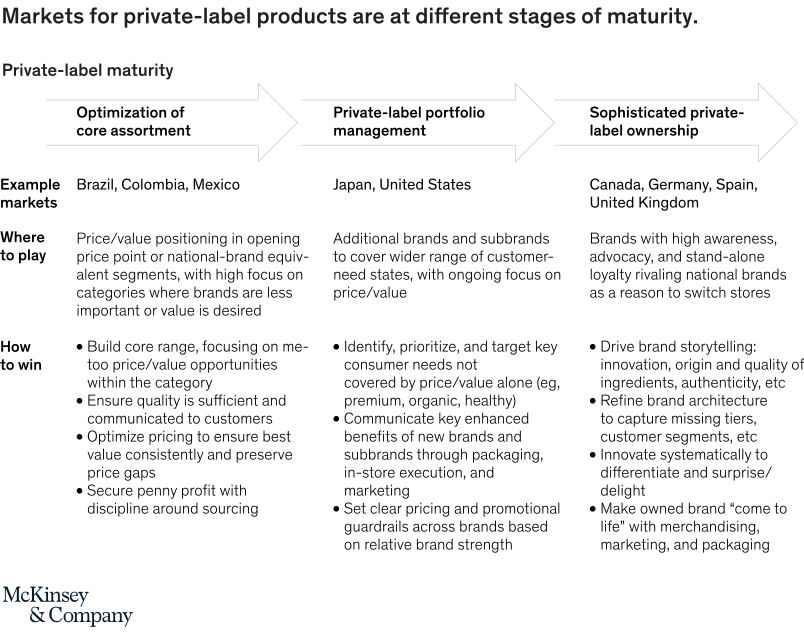
How retailers can turn private labels into powerhouse brands ...
10 Advantages of Private Label Branding - Sungistix Private label products offer several advantages for the retailer. Here are some of the advantages. Exclusivity: Private label products are made only for a particular retailer on order. As they are unique to the retailer, they do not compete with national brands. The target segment for these products consists of customers who are already loyal ...

Consumer preference for national vs. private brands: The ...
Should Amazon ax its private labels to appease regulators? Amazon should absolutely not ditch private labels to appease regulators. Frankly, Amazon has no case to answer here - just as other retailers like Walmart, Target, Costco, Tesco, Aldi - all of which have extensive private label collections that have been built off the back of customer data and intelligence - have no case to answer.
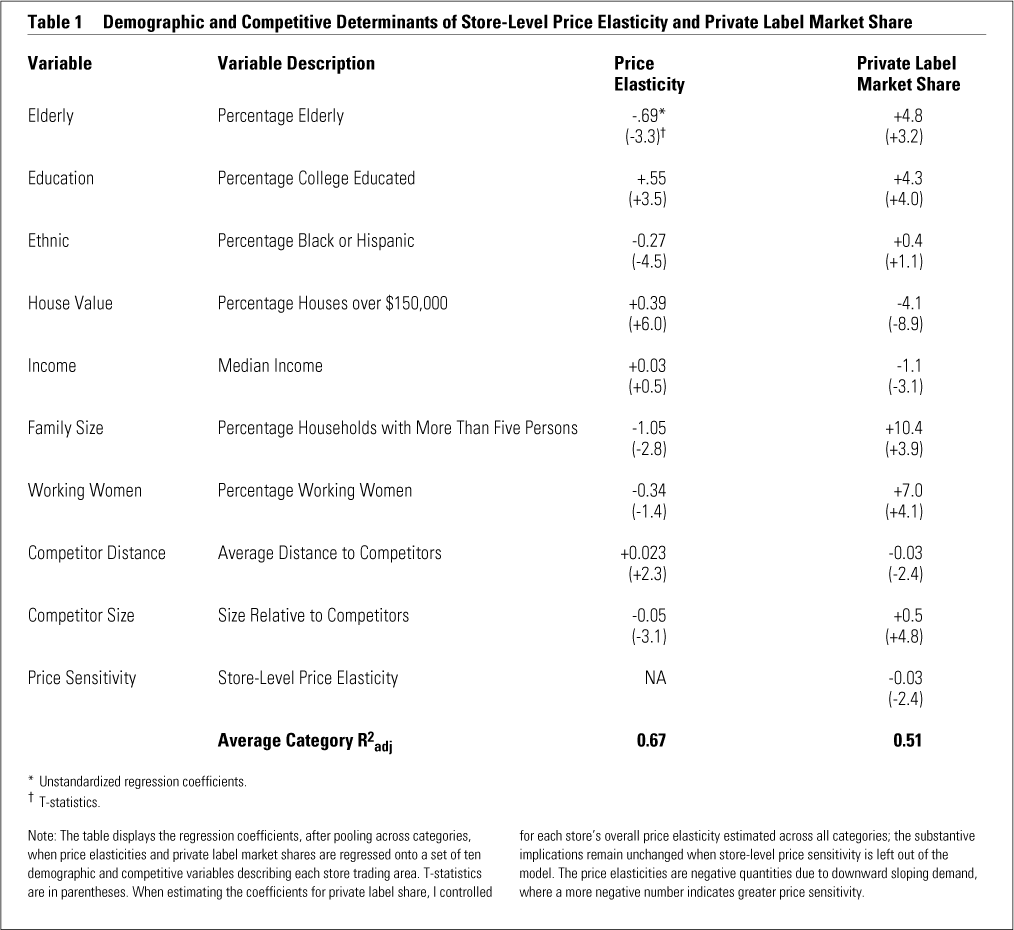
How Should National Brands Think about Private Labels?
The Pros and Cons of Going 'Private Label' vs. Selling ... - Sourcify When you purchase your products from a manufacturer and then put your logo on them before you sell, you have a private label. Doing business this way can lower product unit costs and lead to higher profit margins. Another great upside of using a manufacturer is that you can determine the quality and exact specifications of your products.
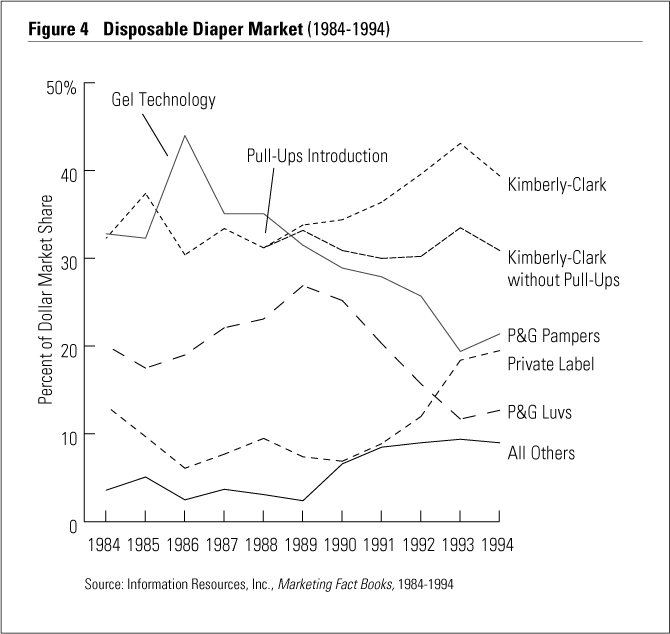
How Should National Brands Think about Private Labels?
Bed Bath & Beyond names interim CFO, but struggles remain Sep 06, 2022 · Bed Bath & Beyond executives say they are reverting back to the company's original strategy of focusing on national brands instead of its own private labels, getting rid of one-third of its store brands. It would also stop embracing the “pile high" merchandising approach and work more closely with its suppliers.

White Label vs Private Label | What Is Private Label?
Battle Of The Brands: Staving Off Private Label Threats As ... - Forbes Despite inflation's rise, with U.S. consumer prices jumping 9.1% in June, national brands have held their own, maintaining and even slightly growing dollar share versus private labels. However, as...

How retailers can turn private labels into powerhouse brands ...
When Do Private Labels Succeed? - MIT Sloan Management Review private labels represent a sizable fraction of general merchandise retailing. 2 our focus is on store brands in the food retailing industry, where they accounted for 13 percent of u.s. supermarket sales in the year ending 30 june 1991. 3 in that period, sales in all u.s. grocery stores amounted to $368.5 billion, implying private label sales of …
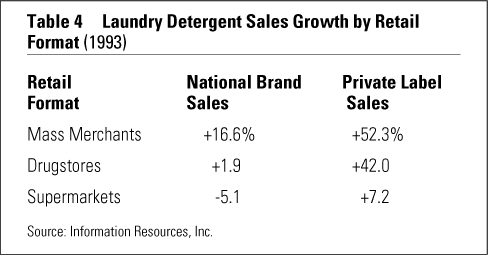
How Should National Brands Think about Private Labels?
Private Labels vs. National Brands - SlideShare Private Labels vs. National Brands. Nov. 18, 2013. • 20 likes • 25,694 views. Business Entertainment & Humor. A brief presentation highlighting differences between private labels and national brands. Troika Consulting. Follow. Advertisement.
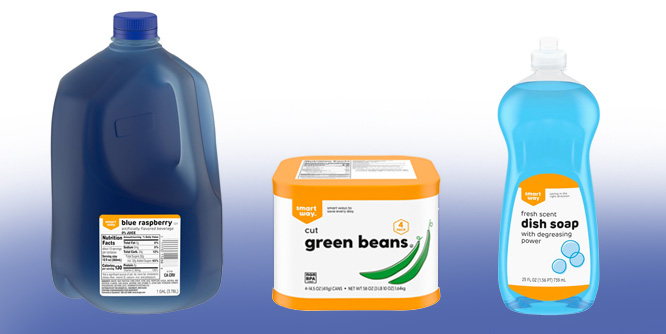
Kroger simplifies its budget private labels - RetailWire
Private labels play leading role for food and drug retailers private-label products that can match or even exceed national brand quality. "Helping consumers save money has always been a key element, but the role of private label has shifted dramatically ...
Amazon Private Label Brands - Marketplace Pulse
How To Find Private Label Products and Start Selling (2022) - Shopify To use Thomasnet to find private label products, type "private label manufacturing" or "contract manufacturing" into the search bar. You'll land on a results page with many product options, including: Beauty products. Skin care products. Personal care products. Food and beverage products.
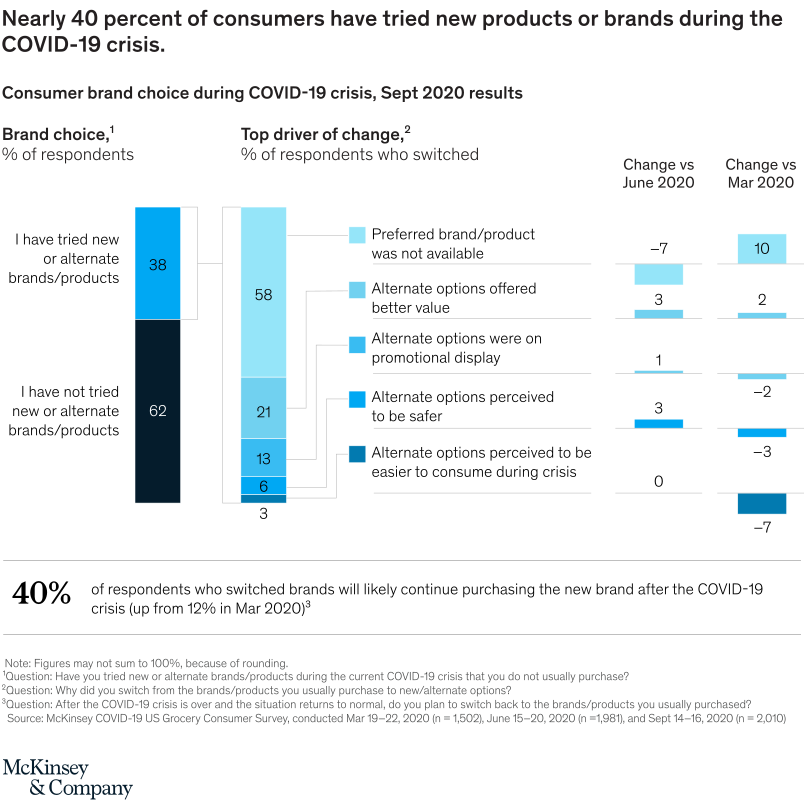
How retailers can turn private labels into powerhouse brands ...
Turning private labels into powerhouse brands - McKinsey & Company The fact that private labels are frequently cheaper than national brands has helped, too, as financially strained consumers tighten their purse strings. These two advantages—high availability and low price—have made private-label products considerably more appealing to consumers during the COVID-19 pandemic. Video Insights to Impact

Private label store brands marketing during high inflation ...
New Products: The Antidote to Private Label Growth? As private labels (PLs) continue to grow in power and market share, product innovation has become one of the strongest weapons in the national brand (NB) manufacturer's arsenal. In this article, the author assesses when and to what extent new products change NBs' market position.
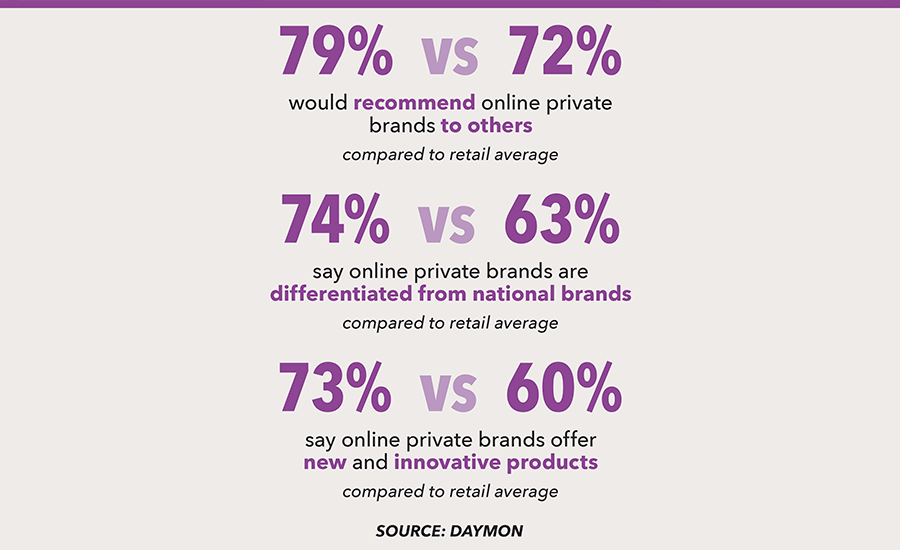
The Retail Reset: Private Label Brands | Packaging Strategies
How Business Cycles Contribute to Private-Label Success: Evidence from ... Consumers switch more extensively to store brands during bad economic times than they switch back to national brands in a subsequent recovery. In addition, the switch to private-label brands is faster than the opposite movement to national brands after the recession ends.

Private Label Products: Are They National Brand Killers?
Workplace Safety Signs [OSHA + ANSI Compliant] | Creative ... Safety signs are a big part of hazardous chemical identification. In fact, GHS labels, HMIS, or NFPA diamonds are an excellent example regarding chemical safety. Providing your employees with the quantity of information on safety signs and labels is imperative for performing daily tasks. Customized Safety Signs with Symbols available

Private Brand Products & Examples | What is a Private Brand ...
39 Best Selling Private Label Products (2022) - Ultimate Guide Jan 01, 2022 · In general, private label products work great for brands that already have an audience that trusts them. 3. Poor consumer perception. Private label products commonly have a reputation for being cheap or low quality. However, that perception is changing as consumers around the world believe the quality of private label products is improving.

Private label to brands: Thank you | New Media and Marketing
How National Brands Can Compete with Private Labels - Observa

New resarch shows retailers should have 40% private labels in ...

Questions/ Answers - Issuu
The Nature and Benefits of National Brand/Private Label ...

MARKET TRENDS - Issuu
Everyday Value with our Private-Brand Products
How Should National Brands Think about Private Labels?

Private label store brands marketing during high inflation ...

Brands Versus Private Labels: Fighting to Win
How Should National Brands Think about Private Labels?

20 Trending Private Label Products (That Actually Sell ...
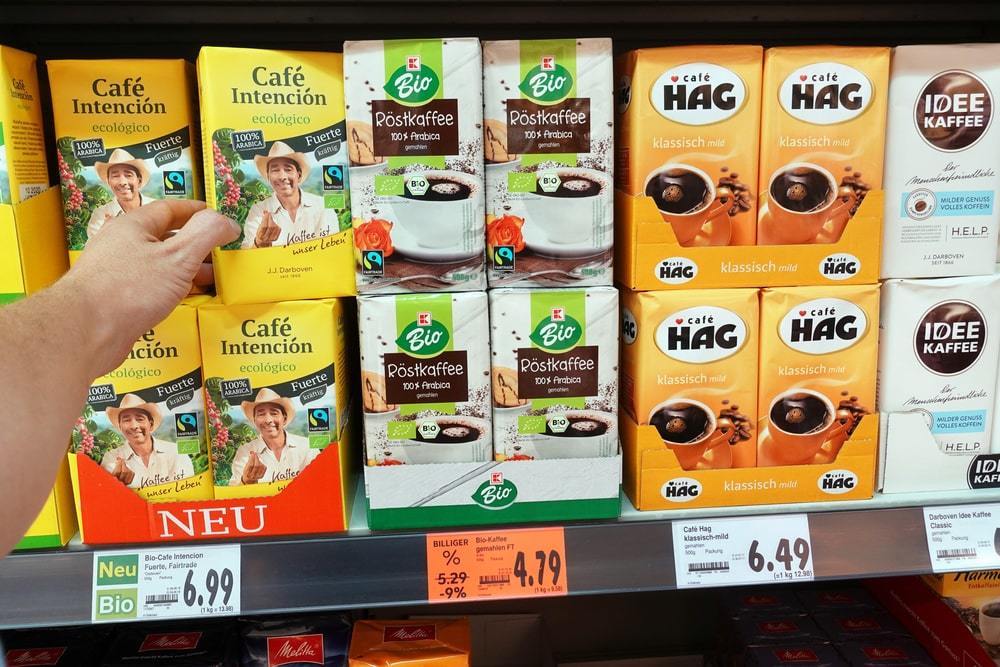
Top Private Label Food Manufacturers and Companies in the USA ...

Why National Brands Should Worry: Private Label Powers Up ...
29 Private Label Products to Kickstart a $100K+ Brand
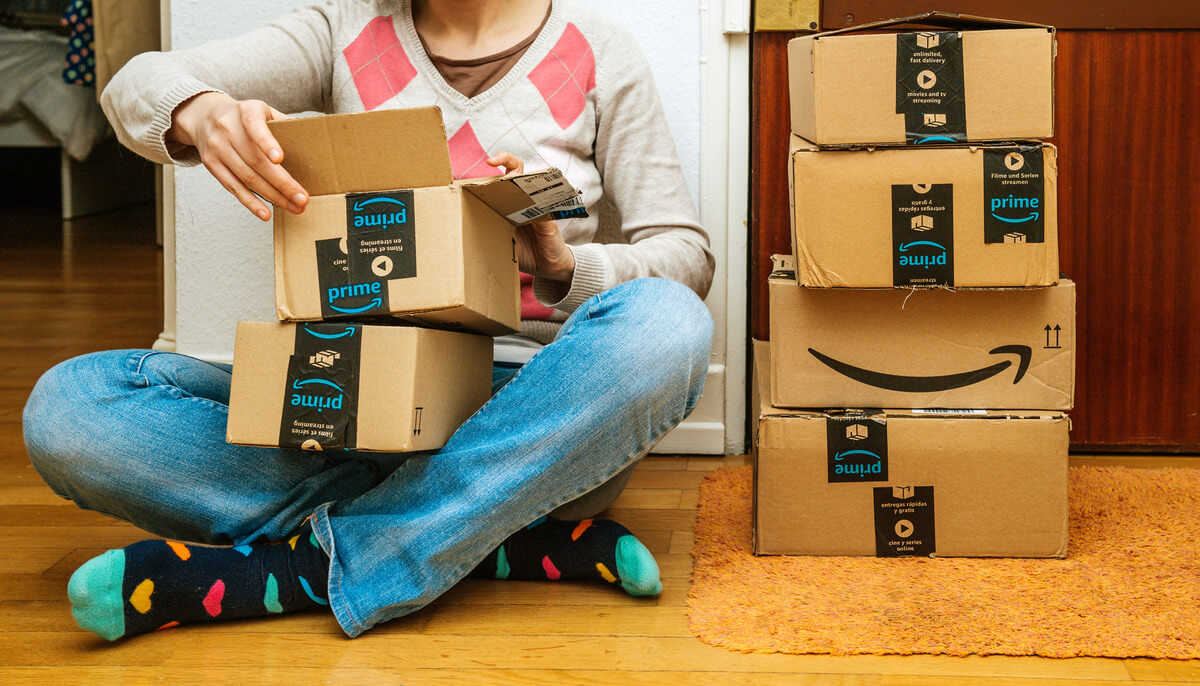
White Label vs Private Label - How It Works | Sellbery

Consumer preference for national vs. private brands: The ...
How to Find Private Label Products and Start Selling (2022)
How Should National Brands Think about Private Labels?
Post a Comment for "38 how should national brands think about private labels"